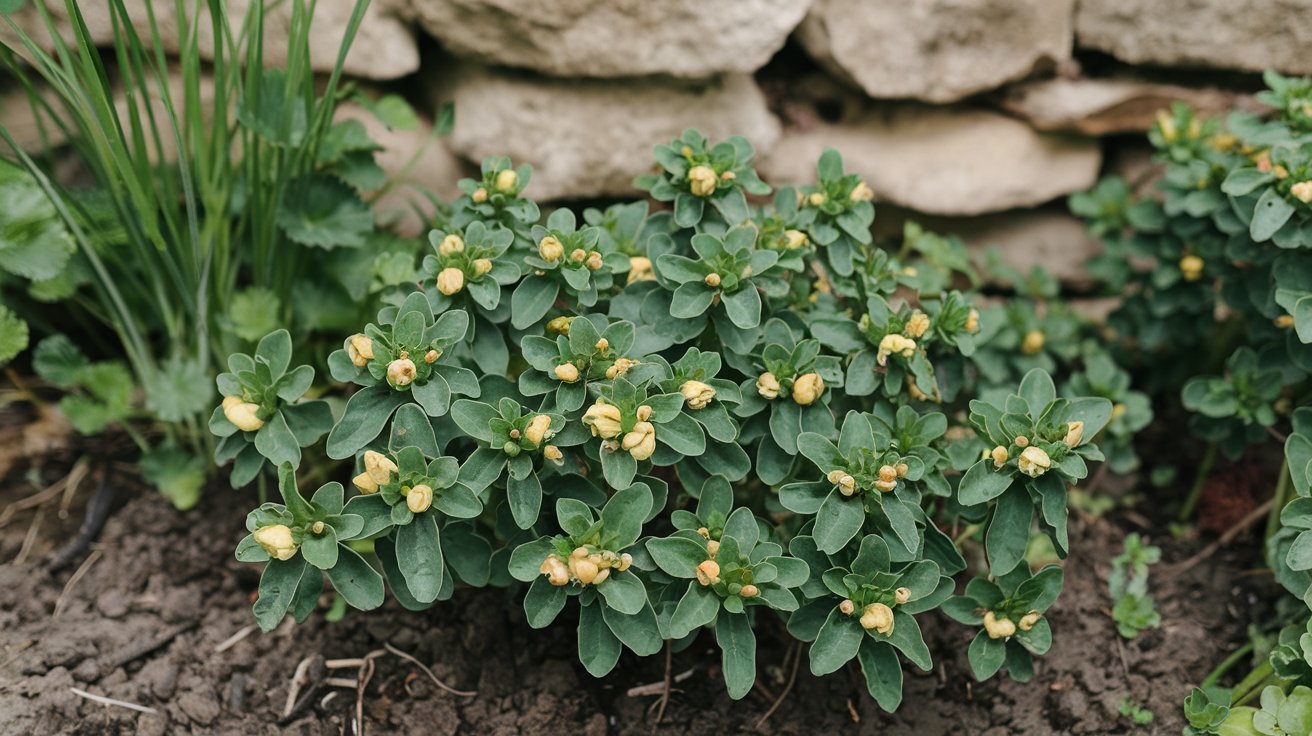
Foenegriek, commonly known in English as fenugreek (scientific name Trigonella foenum‑graecum, is a spice that adds warmth and depth to dishes across the globe. With its distinctive aroma and slightly bitter flavour, this ancient herb has travelled through time and different cultures, becoming a staple ingredient in many kitchens. But foenegriek is much more than just a flavour enhancer; it carries a rich history and a variety of health benefits supported by research.
Whether you’re aiming to elevate your cooking or explore its nutritional potential, foenegriek offers something unique for everyone. In today’s articles, we will delve into the fascinating world of this spice, exploring its background, health effects, choosing and using it, and ways to integrate it into your culinary adventures. Lets gets started!
Origins & Cultural Journey
Fenugreek’s journey begins in the Mediterranean and South‑Asia, where it was cultivated thousands of years ago. Botanically it belongs to the legume family and is grown both for its seeds and its leaves.
Ancient texts and traditional systems of medicine refer to it both as a food and as a healing plant. Over time, its use spread into Middle Eastern, North African and South Asian cuisines. Its seeds and leaves found roles as spice, herb and vegetable.
In many cultures, foenegriek was considered a plant of abundance, fertility and healing. Its presence in pickles, breads, curries and medicinal formulations speak to its versatility and cultural importance. Today, this spice bridges traditional kitchen culture with modern food trends, making it relevant in both everyday cooking and wellness‑oriented diets.
Nutritional Profile & Health Advantages
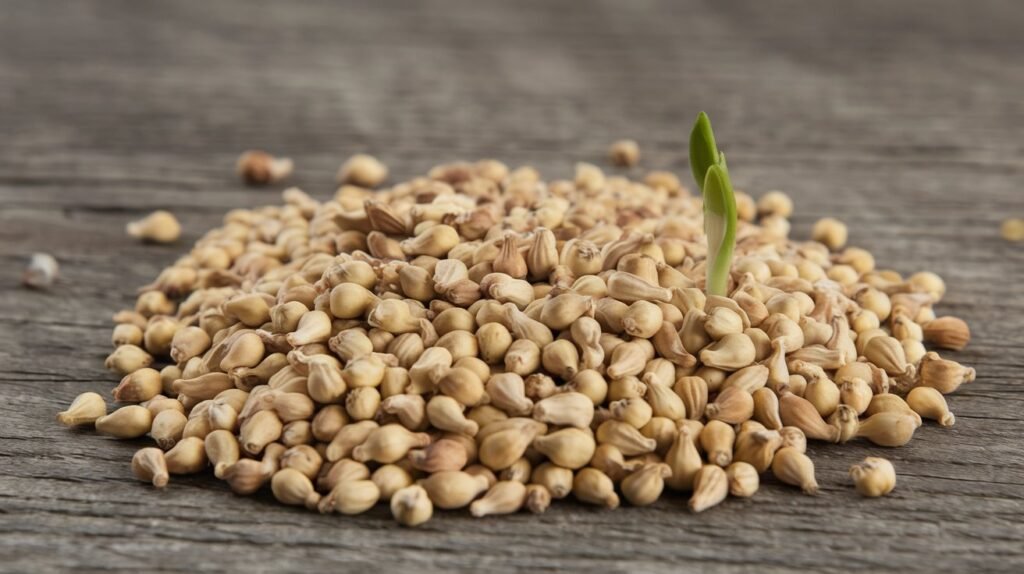
When you include foenegriek in your diet, you are also tapping into a range of bioactive compounds. The seeds and leaves contain fibre, plant‑based proteins, minerals like iron and magnesium, saponins, flavonoids and alkaloids.
One of the key health areas where fenugreek has been studied is glucose and carbohydrate metabolism. Research shows that consumption of fenugreek seeds can help lower fasting blood sugar and HbA1c in people with type 2 diabetes, likely because the fibre slows glucose absorption and certain compounds enhance insulin sensitivity.
Beyond blood sugar, other studies point to potential benefits in lowering total cholesterol and LDL (“bad”) cholesterol, reducing inflammation, and supporting liver and heart health.
That said, it’s important to note that while many promising results exist, much of the research is still preliminary or mixed in quality. According to some reviews, studies vary in design, dosage, and duration. Therefore, foenegriek is best viewed as a valuable complement to diet and lifestyle rather than a standalone cure‑all.
Selecting, Storing & Preparing Foenegriek
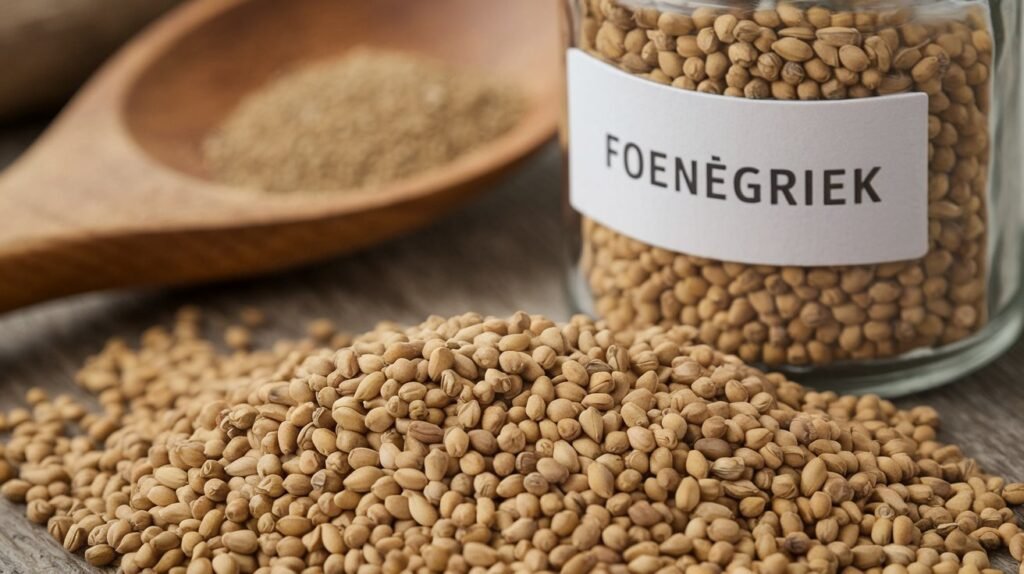
To get the most from this spice, how you choose and handle it matters. Foenegriek is available in several forms: whole seeds, ground powder, fresh leaves (often called “methi”), and dried leaves. Whole seeds retain flavour the longest, while powder is convenient but loses potency more quickly.
Fresh leaves offer a slightly different taste profile greener, less bitter while dried leaves carry a concentrated aroma. When storing, keep the spice in an airtight container in a cool, dark place; avoid exposure to light, heat or moisture.
For best flavour, toast the whole seeds lightly just before use this reduces bitterness and enhances nutty, aromatic notes. Many chefs recommend adding dried leaves or ground seed toward the end of cooking so the aroma remains intact. Because foenegriek has a somewhat bitter edge, pairing it with an acidic (lemon, tomato) or sweet‑caramelised component helps balance the flavour.
Culinary Ways to Use Foenegriek
One of the most appealing aspects of foenegriek is its versatility. You can integrate it into everyday meals with a little creativity. For example, you can cook cubed potatoes with fresh or frozen fenugreek leaves, garlic and green chilli to make a simple yet flavour‑rich side dish.
Another option is to incorporate lightly‑roasted fenugreek seeds into whole‑wheat flatbreads or muffins, giving them a subtle maple‑like aroma and pleasantly bitter undertone. For a hearty main dish, you could prepare a slow‑cooked chicken stew using fenugreek seeds, dried fenugreek leaves, onions, garlic, tomatoes and warm spices the seeds contribute depth of flavour, the leaves bring aroma and the entire dish becomes uniquely memorable.
A quick dip can be made with plain yogurt and chopped fresh fenugreek leaves, seasoned with garlic, lemon and olive oil this makes a refreshing accompaniment to grilled vegetables or breads. If you like condiments, you can prepare a fenugreek‑seed vegetable pickle: soak seeds, lightly toast them with mustard and cumin, add chopped vegetables, vinegar or lemon, spices and simmer until the mixture reduces and intensifies. Stored in a jar, it adds bold flavour to everyday meals.
No matter the form, the key is to start small (because the bitterness can become overwhelming) and adjust to your taste.
Integrating Foenegriek into Your Regular Diet
Making foenegriek a regular part of your pantry doesn’t require major upheaval. Begin by substituting a portion of your usual spice mix with a teaspoon of fenugreek seed or a pinch of dried leaves when preparing vegetable dishes, stews or flatbreads.
When cooking dishes that use tomato or lemon, add the fenugreek toward the end this helps preserve its flavour. For salads, you can quickly blanch fresh fenugreek leaves and toss them into warm grain bowls or with rice, giving a fresh green note with subtle bitterness.
Because foenegriek pairs well with flavours like cumin, coriander, paprika, garlic and tomato, it integrates smoothly into South Asian, Middle‑Eastern and North African cooking styles but don’t be afraid to experiment beyond these. Over time you’ll find the balance that suits your palate: the herbaceous bitterness of the leaves, the nutty aroma of toasted seeds, the subtle sweetness when seeds are gently cooked.
Why Foenegriek Deserves a Place in Your Kitchen
What sets foenegriek apart is its ability to bridge flavour and function. It has a layered taste profile not simply bitter, but rich when balanced and it carries cultural and nutritional weight. Instead of using yet another spice that fades into the background, foenegriek stands out.
It gives everyday dishes character. For those who are health‑conscious, it offers additional benefit beyond mere flavour. Its research‑backed potential reinforces its value as a spice with purpose. Whether you are cooking for convenience or cooking to impress, foenegriek can transform a simple meal into something memorable.
FAQs
1. What is the difference between foenegriek seeds and foenegriek leaves?
Foenegriek seeds are the small brownish‑yellow seeds with strong aroma and slightly bitter taste when raw; they are often toasted or ground. The leaves (often called “methi”) are used fresh or dried in cooking, offering a greener flavour with a milder bitterness and work more like an herb than a spice.
2. Can foenegriek help manage blood sugar levels?
Yes, there is evidence that foenegriek seeds may support blood sugar regulation by slowing carbohydrate absorption and improving insulin response. However, the research is still early and variable, so it should not replace medical treatment.
3. How can I reduce the bitterness of foenegriek when cooking?
You can reduce bitterness by lightly toasting the seeds before use, adding acidic ingredients like lemon or tomato, or combining with sweet‑caramelised onions. Fresh leaves should be added later in cooking to retain aromatic qualities without becoming overly bitter.
4. Are there any side‑effects or things to watch for when using foenegriek?
In normal culinary amounts, foenegriek is generally safe. However, high doses (especially in supplement form) may cause issues: individuals with diabetes might risk hypoglycaemia, pregnant women should consult a doctor (some effects on uterine contraction are suggested), and people on blood‑thinning medication should be cautious.
5. How should I store foenegriek to keep the flavour intact?
Store whole seeds in an airtight container in a cool, dark place away from direct heat or light. Powder loses aroma faster, so it’s best to grind seeds as needed. Fresh leaves should be used quickly or frozen if you want to keep them longer.
Conclusion
From its ancient roots to its place in modern kitchens, foenegriek (fenugreek) is a spice worth exploring. Its distinctive aroma, bitter‑sweet edge and versatile usage make it ideal for anyone looking to broaden their spice repertoire. Coupled with health advantages and the ability to elevate simple meals, this spice deserves a permanent spot in your pantry. Try the ideas above, adapt them to your local ingredients and taste preferences.
Related Stories: Complete Guide to Ite:mommyandlove.com Baby Names