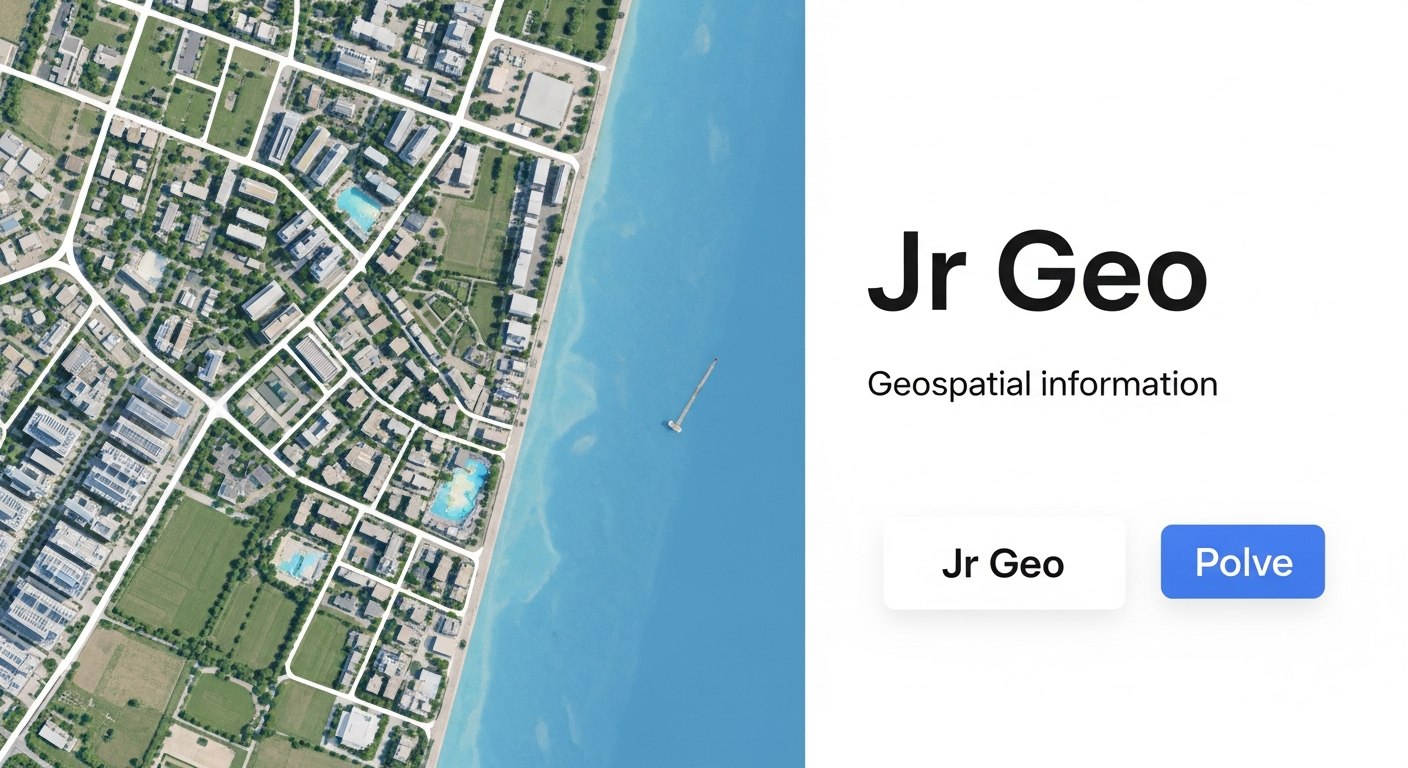
Introduction: What Is Jr Geo?
In today’s data-driven world, geospatial information plays a critical role in shaping decisions, policies, and strategies across multiple industries. Enter Jr Geo, an emerging platform that harnesses the power of geospatial data to revolutionize decision-making processes in various sectors, from urban planning to environmental conservation. This article will explore everything you need to know about Jr Geo, its applications, and how it can solve problems and create value for individuals and businesses alike.
In Today’s articles, you’ll understand how Jr Geo can help you leverage geospatial data for more informed decisions, optimize operations, and even gain a competitive edge in your field. Lets get Started!
What Is Jr Geo and How Does It Work?
Jr Geo refers to the use of geospatial technology for gathering, analyzing, and interpreting data tied to geographic locations. Unlike traditional data analytics, which focuses on abstract data points, geospatial data integrates location-based information to offer unique insights into spatial relationships and patterns.
Key Features of Jr Geo:
- Geospatial Data Integration: Combines diverse data sources to build comprehensive, location-based insights.
- Mapping Tools: Provides visual representations of spatial data, such as geographic maps, heatmaps, and 3D terrain models.
- Real-Time Analytics: Processes data in real-time, enabling quick decision-making.
- AI-Powered Insights: Uses machine learning algorithms to identify trends, predict future outcomes, and optimize strategies.
These features make Jr Geo a powerful tool for industries where spatial awareness is critical, such as urban development, environmental monitoring, and logistics.
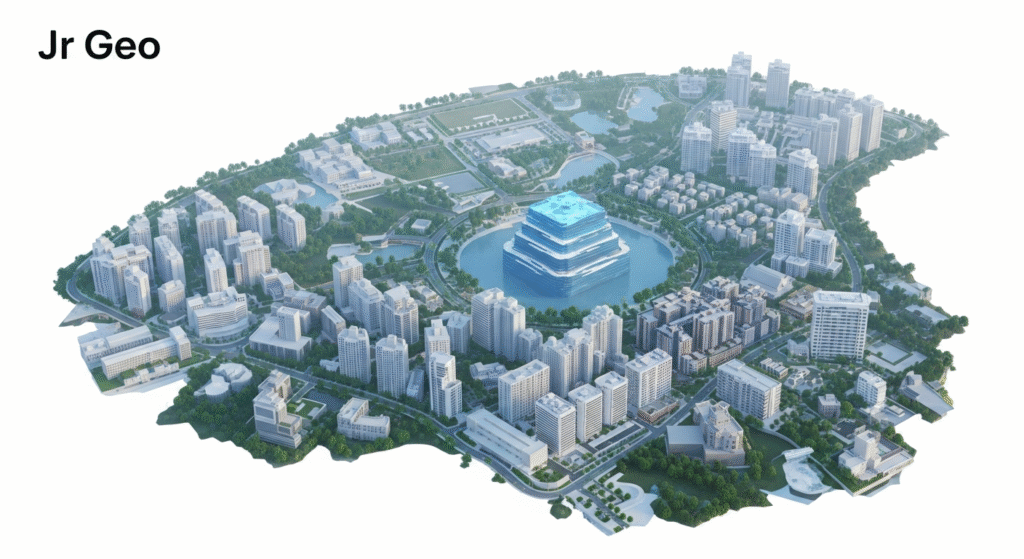
Applications of Jr Geo in Various Industries
Jr Geo is incredibly versatile and can be applied across a wide range of industries. Below are some examples of how it is being used to solve problems and improve processes in different sectors.
1. Urban Planning and Development
In urban planning, Jr Geo helps city planners optimize land use, improve infrastructure, and plan for future growth. By integrating geospatial data, planners can:
- Analyze Population Density: Determine areas with high population density to plan for more efficient transportation systems and infrastructure.
- Monitor Land Usage: Identify underutilized or improperly used land for redevelopment or conservation.
- Assess Environmental Impact: Evaluate the environmental consequences of urban expansion and development.
Real-Life Example:
A city government used Jr Geo to identify areas in need of better public transportation services by analyzing traffic patterns and population distribution. This insight led to more efficient transit routes and improved infrastructure.
2. Environmental Conservation and Sustainability
Environmental conservation efforts rely heavily on geospatial data to track changes in ecosystems, monitor deforestation, and manage natural resources. Jr Geo plays a vital role in:
- Tracking Deforestation: Monitoring forests and biodiversity through satellite imagery and GIS (Geographic Information Systems).
- Analyzing Climate Change: Assessing temperature shifts and weather patterns to predict future climate events.
- Water Resources Management: Analyzing water bodies and groundwater levels for efficient use and conservation.
Real-Life Example:
Jr Geo was employed by an environmental NGO to map the impact of deforestation in the Amazon rainforest. This data helped prioritize areas for protection and restoration.
3. Logistics and Supply Chain Optimization
In logistics, geospatial data can be the difference between success and failure. By incorporating Jr Geo into logistics operations, businesses can:
- Optimize Delivery Routes: Use real-time data to find the quickest and most fuel-efficient routes.
- Track Shipments: Provide live tracking of goods and monitor their condition in transit.
- Improve Inventory Management: Use geospatial tools to predict demand and optimize stock levels across distribution centers.
Real-Life Example:
A global shipping company used Jr Geo to analyze weather patterns and road conditions in real-time, significantly reducing delivery delays and improving customer satisfaction.
4. Disaster Management and Emergency Response
Geospatial data is also crucial in disaster management. When an emergency arises, being able to quickly analyze affected areas and deploy resources is key. Jr Geo enables:
- Damage Assessment: Satellite imagery helps evaluate the extent of damage in real-time after natural disasters like earthquakes or floods.
- Evacuation Planning: Helps determine the safest and quickest evacuation routes in case of emergencies.
- Resource Allocation: Optimizes the distribution of relief supplies by mapping out areas with the greatest need.
Real-Life Example:
During Hurricane Katrina, geospatial data was used to map flooded areas and identify evacuation routes, helping to guide emergency responses more effectively.
Common Pain Points Solved by Jr Geo
1. Data Overload and Complexity
The sheer volume of data available to organizations can often be overwhelming. Jr Geo solves this problem by simplifying complex data and providing easy-to-understand visualizations, making it easier for decision-makers to act swiftly.
2. Slow Decision-Making
Traditional decision-making processes can be slow, especially when they rely on outdated or incomplete data. Jr Geo provides real-time analytics that accelerate decision-making, enabling organizations to react promptly to dynamic situations.
3. Inaccurate Forecasts
Predictive analytics can be hit or miss, especially when not informed by real-time or location-based data. By integrating location-based data and predictive algorithms, Jr Geo helps to create more accurate forecasts, whether it’s for weather patterns, economic growth, or market demand.
4. High Operational Costs
Managing operational costs can be a challenge, particularly when logistics or resource management is involved. Jr Geo helps businesses optimize their resources by identifying inefficiencies, reducing waste, and cutting down costs.
Why Choose Jr Geo for Your Business?
1. Enhanced Decision-Making
The insights provided by Jr Geo make decision-making more accurate and informed, reducing risks and improving business outcomes.
2. Cost-Effectiveness
By optimizing resources and identifying inefficiencies, Jr Geo can help businesses save money in the long run.
3. Future-Proof Technology
As the world becomes increasingly data-driven, Jr Geo’s use of AI and real-time analytics ensures that businesses stay ahead of the curve.
Conclusion: The Future of Jr Geo
Jr Geo is not just a tool; it’s a game-changer that empowers businesses and governments to harness the full potential of geospatial data. From urban planning and environmental conservation to logistics and emergency response, Jr Geo is paving the way for smarter, more sustainable decisions.
Are you ready to take your decision-making to the next level with Jr Geo? Embrace the future of geospatial analytics today and unlock the potential of location-based data.
What’s your experience with Jr Geo? Let us know in the comments below, and feel free to share how geospatial data has helped you optimize your operations!
Related Stories: Jadeitový Kameň: Ancient Stone, Modern Wellness