INTRODUCTION
The NFL world stood still on November 10, 2024, as fans across the globe tuned in to see the Detroit Lions vs Houston Texans match player stats unfold at NRG Stadium. This Sunday Night Football encounter was billed as a clash of titans, featuring the high-powered offense of the detroit lions against the young, explosive energy of the houston texans. What transpired was a game for the ages, marked by an improbable comeback that solidified Detroit’s place at the top of the detroit lions standings. Despite falling into a deep 23-7 hole by halftime, the Lions clawed back to win 26-23 in a finish that left analysts stunned. This wasn’t just another entry in the detroit lions schedule; it was a statement of resilience. Every tackle, catch, and interception contributed to a narrative of grit that has come to define the detroit lions news this season.
Topic History: A Legacy of Football Excellence
Understanding the weight of this matchup requires looking at the history of these two franchises. The detroit lions carry a legacy dating back to 1928, representing one of the league’s most storied traditions. Conversely, the houston texans are the NFL’s youngest team, founded in 2002 to bring professional football back to the city of Houston. Because they play in different conferences—the NFC North and the AFC South—meetings between them are rare but always high in intensity. Historical detroit lions games against AFC opponents often serve as a measuring stick for the team’s national standing. Fans frequently compare these rare meetings to divisional rivalries, such as the detroit lions vs green bay packers match player stats, where familiarity breeds contempt. In contrast, the Lions vs Texans rivalry is fueled by a desire for cross-conference supremacy, making every four-year meeting a highlight of the houston texans schedule.
Game Overview: The Improbable 16-Point Comeback
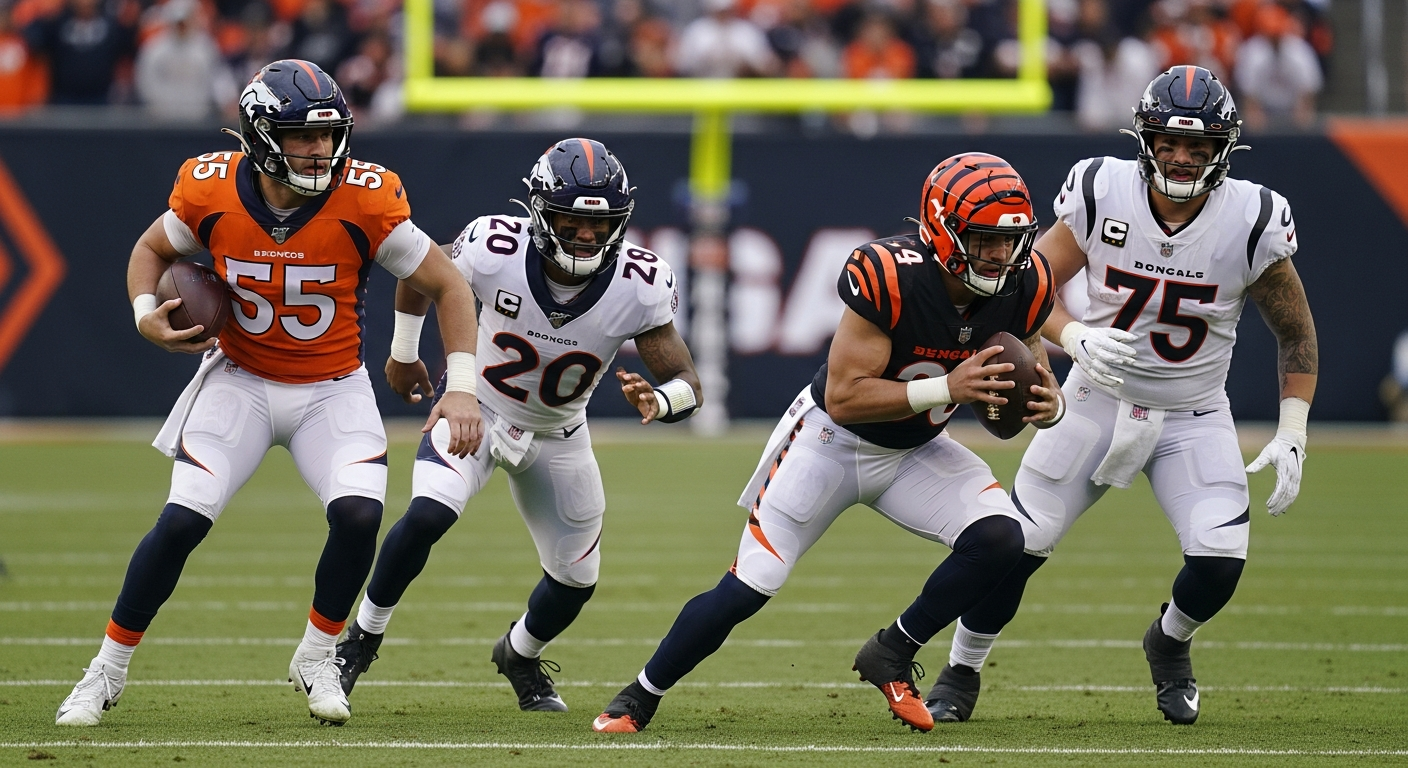
The Detroit Lions vs Houston Texans match player stats tell the story of two distinct halves. Houston dominated the first 30 minutes, capitalizing on turnovers to build a massive lead. Joe Mixon and John Metchie III found the end zone early, making the houston texans score look insurmountable. However, the detroit lions game today narrative changed completely after the break. Head coach Dan Campbell’s squad refused to fold, relying on a stifling defense that held the Texans to zero points in the second half. This shutout allowed the Lions to slowly chip away at the lead. By the time the fourth quarter rolled around, the momentum had shifted entirely. This game proved why the Lions are considered Super Bowl contenders and why houston texans standings continue to rise under the leadership of DeMeco Ryans. It was a masterclass in psychological warfare and tactical adjustments on the gridiron.
| Metric | Detroit Lions | Houston Texans |
|---|---|---|
| Final Score | 26 | 23 |
| Total Yards | 345 | 248 |
| Passing Yards | 240 | 192 |
| Rushing Yards | 105 | 56 |
| Turnovers | 5 | 2 |
| Sacks Recorded | 4 | 0 |
Quarterback Performance: Goff’s Resilience vs Stroud’s Brilliance
When analyzing the Detroit Lions vs Houston Texans match player stats, the quarterback play was the focal point. Jared Goff had a night that was statistically bizarre, throwing five interceptions—a career high. However, his poise in the final minutes showcased the maturity that has fueled the detroit lions news. Goff finished with 240 yards and two touchdowns, completing crucial passes when they mattered most. On the other side, houston texans star C.J. Stroud demonstrated why he is a rising face of the league. Stroud threw for 232 yards and a touchdown but faced a relentless pass rush that resulted in four sacks. Comparing this to the detroit lions vs kansas city chiefs match player stats, it is clear that Goff’s ability to manage disaster is his greatest asset. Stroud, while brilliant, learned a hard lesson about the physicality of Detroit’s defensive schemes in high-pressure situations.
Receiving Game Highlights: St. Brown and Metchie Take the Stage
The battle of the wideouts was a spectacle for those tracking the Detroit Lions vs Houston Texans match player stats. Amon-Ra St. Brown once again served as the heartbeat of the Lions’ offense, hauling in 6 catches for 60 yards and a vital fourth-quarter touchdown. His reliability is a major reason why the detroit lions games are so high-scoring. For Houston, John Metchie III provided a silver lining. He recorded 74 receiving yards and his first career NFL touchdown, an emotional moment for houston texans players and fans alike. Tank Dell and Dalton Schultz were also active, but they struggled to find separation against Detroit’s physical secondary. This performance was a stark contrast to the washington commanders vs detroit lions match player stats, where the Lions faced a more zone-heavy scheme. In Houston, the man-to-man coverage forced receivers to earn every single yard under the bright stadium lights.
Coaching Impact and Smart Play Calling: The Chess Match
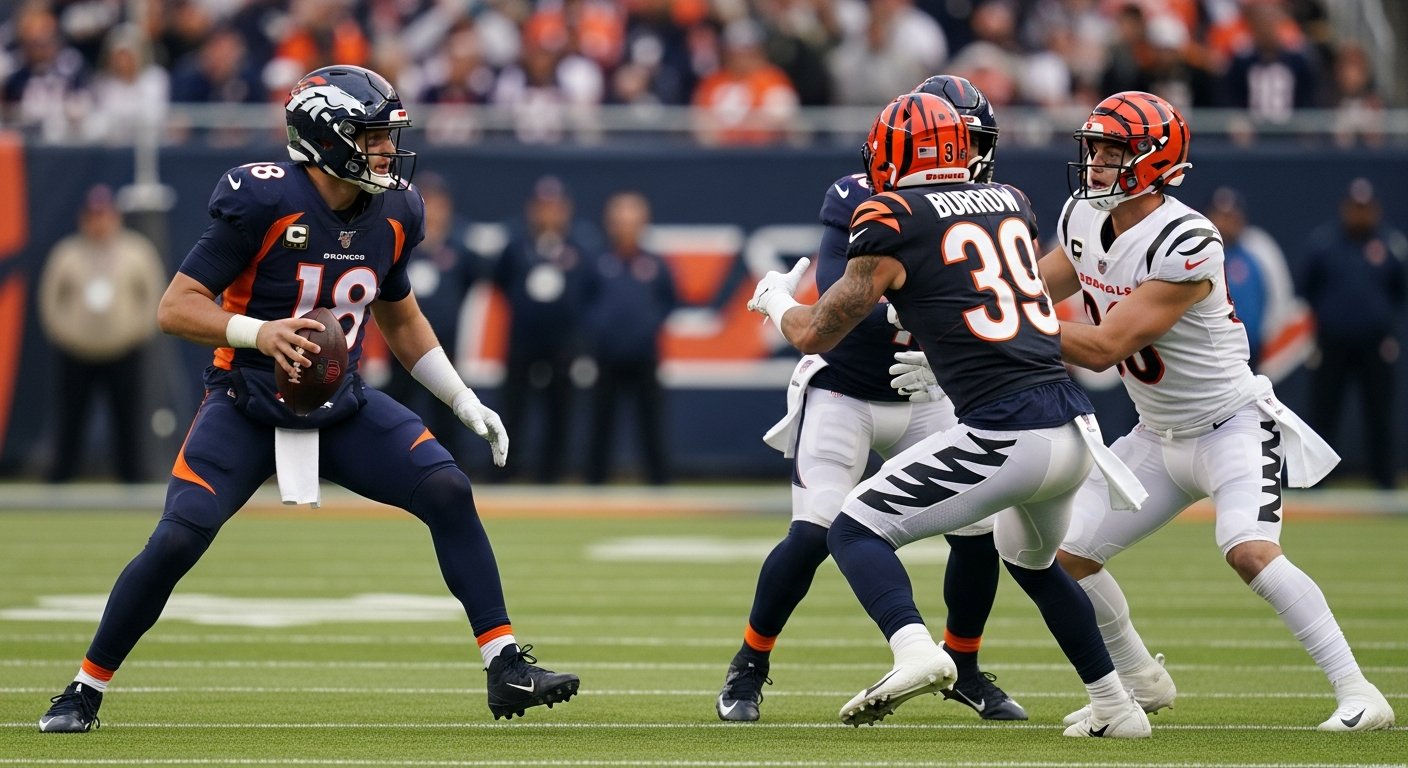
A major factor in the final outcome was Smart Play Calling and the strategic vision of both head coaches. Dan Campbell’s aggressive nature is well-documented in detroit lions news, and his trust in kicker Jake Bates was the ultimate gamble that paid off. Campbell’s ability to keep his team calm after five turnovers is a testament to his leadership. Conversely, DeMeco Ryans has successfully overhauled the houston texans depth chart to create a competitive culture. However, in the second half of this game, the Texans’ offensive play calling became conservative, allowing the Lions’ defense to dictate the tempo. This discrepancy in adjustments is why the detroit lions vs washington commanders match player stats often favor Detroit in close games. The Lions’ coaching staff proved they could adapt mid-stream, moving away from the pass to establish a more dominant rushing presence that eventually wore down the Texans’ defensive front.
Rushing Attack: Montgomery and Gibbs vs Joe Mixon
The ground game was a physical grind that heavily influenced the Detroit Lions vs Houston Texans match player stats. Detroit’s “Sonic and Knuckles” duo, Jahmyr Gibbs and David Montgomery, combined for 103 rushing yards. Montgomery’s bruising style led to a 3-yard touchdown that sparked the second-half revival. For the houston texans, Joe Mixon was the primary engine early on, recording 46 yards and a touchdown. However, as the Lions’ defense tightened, Mixon found fewer lanes to exploit. This lack of a late-game rushing threat forced C.J. Stroud into difficult passing situations. When comparing this to the minnesota vikings vs detroit lions match player stats, it is evident that Detroit’s run defense has become a league-leading unit. Their ability to shut down an elite back like Mixon in the fourth quarter was the “hidden” key that allowed the offense to stay in the game and eventually take the lead.
| Rushing Leader | Team | Attempts | Yards | Touchdowns |
|---|---|---|---|---|
| Jahmyr Gibbs | Lions | 19 | 71 | 0 |
| Joe Mixon | Texans | 25 | 46 | 1 |
| David Montgomery | Lions | 12 | 32 | 1 |
| C.J. Stroud | Texans | 1 | 5 | 0 |
Defense and Special Teams: The Jake Bates Legacy
The Detroit Lions vs Houston Texans match player stats would be incomplete without mentioning the heroics of special teams. Jake Bates, the Lions’ kicker, hit two 50-plus yard field goals in the final minutes, including the 52-yard walk-off winner. His story—from the UFL to being a local hero—is a staple of detroit lions news. Defensively, Carlton Davis III was a monster, recording two interceptions in the second half that completely neutralized Houston’s passing attack. The houston texans game today saw their defense force five interceptions, with Kamari Lassiter leading the way with two of his own. However, the inability of the Texans’ offense to turn those takeaways into points was the fatal flaw. In the end, Detroit’s defensive discipline and Bates’ legendary leg proved to be the difference-makers. This reliability is why fans often search for where to watch detroit lions vs 49ers and other high-stakes matchups where games are decided by inches.
Ownership and Team Culture: Building a Winner
The transformation of both franchises can be traced back to their ownership. Many fans ask, who owns the detroit lions? Sheila Ford Hamp has been the driving force behind the team’s cultural shift since 2020. She empowered Dan Campbell and Brad Holmes to build a roster focused on “grit,” which was on full display in Houston. On the other side, who owns the houston texans? Cal McNair has taken the reigns to bring stability to a franchise that struggled in recent years. Both owners have prioritized hiring coaches who understand their cities’ identities. This top-down leadership is reflected in the houston texans standings and the Lions’ status as NFC leaders. The financial and emotional investment from ownership has allowed these teams to attract elite talent and build infrastructures that support long-term success. This stability is why both teams are currently featured in detroit lions news as model franchises for the modern NFL.
Playoff Implications and Current Standings: Road to the Super Bowl
The outcome of the Detroit Lions vs Houston Texans match player stats had massive ramifications for the post-season. With this win, the Lions improved to 8-1, staying firmly atop the detroit lions standings and the NFC as a whole. They are currently the favorites in the detroit lions vs green bay packers match player stats divisional race. For Houston, the loss was a setback but didn’t ruin their season. They remain leaders in the AFC South, though their lead over the Jaguars and Colts has tightened. Fans looking at the detroit lions schedule see a path to a first-round bye, while Texans fans are wondering how do the texans make the playoffs as a top seed. Both teams have proven they can compete with anyone, including the buffalo bills vs detroit lions match player stats contenders. This game served as a playoff preview, showcasing the high-level execution required to win in January.
Where to Watch: Following Your Team Locally and Nationally
If you are looking for where to watch houston texans vs detroit lions or any future matchups, there are several reliable options. Most detroit lions games are aired on major networks like CBS, FOX, and NBC. For fans who prefer streaming, NFL+ and YouTube TV offer comprehensive coverage. If you ever wonder is detroit lions game on tv today, checking local listings or the team’s official social media is the best bet. Similarly, where to watch detroit lions vs minnesota vikings or where to watch houston texans vs jacksonville jaguars will depend on the regional broadcast map. For international fans, the NFL Game Pass remains the premier choice to follow the houston texans roster in action. Staying connected to the game allows fans to follow every statistical update, from the chicago bears vs detroit lions match player stats to the final touchdown of the Super Bowl, ensuring you never miss a moment of the action.
Statistical Deep Dive: Third Down Efficiency and Red Zone Defense
A hidden gem in the Detroit Lions vs Houston Texans match player stats was the battle on third downs. Detroit entered the game with the league’s top-ranked third-down defense, and they lived up to the hype in the second half. Houston converted only 6 of 15 third-down attempts, which led to numerous punts that allowed Detroit to reclaim possession. This efficiency is a recurring theme in detroit lions news. In the red zone, the Lions’ defense was equally stout, forcing the Texans to settle for field goals instead of touchdowns. This “bend but don’t break” philosophy is often what separates winning teams from the pack. When compared to the tampa bay buccaneers vs houston texans match player stats, Detroit’s ability to create pressure without blitzing heavily was the tactical advantage. By keeping seven men in coverage, they made C.J. Stroud’s windows smaller and smaller as the game clock ticked toward zero.
Individual Awards and Recognition: The Rising Stars of 2025
Post-game analysis of the Detroit Lions vs Houston Texans match player stats often highlights individual greatness. Brian Branch and Kerby Joseph have become household names for those following detroit lions games. Their ability to patrol the deep middle makes Detroit a nightmare for offensive coordinators. For the Texans, Will Anderson Jr. and Jalen Pitre have solidified the houston texans roster as one of the most talented young defenses in the AFC. These players aren’t just contributing to wins; they are building Hall of Fame resumes. Whether it is the detroit lions vs baltimore ravens match player stats or this thriller in Houston, the star power on both rosters is undeniable. As we look toward the 2025 season, these individuals will likely dominate the All-Pro ballots. Their impact on the detroit lions standings cannot be overstated, as they provide the big plays that swing the momentum of entire seasons.
Comparison with Divisional Rivals: Lions vs the North
How does the Lions’ performance in Houston compare to their divisional battles? When you look at the detroit lions vs minnesota vikings match player stats, you see a team that is comfortable playing in high-pressure, one-score games. The NFC North is arguably the toughest division in football this year, and every detroit lions game today feels like a playoff matchup. Comparing the Texans’ game to the green bay packers vs detroit lions match player stats reveals a team that has learned to win ugly. The five interceptions against Houston would have doomed most teams, but the Lions’ divisional experience has hardened them against adversity. This mental toughness is what separates them from the chicago bears vs detroit lions match player stats contenders. They have developed a “championship DNA” that allows them to remain calm even when the scoreboard suggests the game is lost, a trait that makes them the most feared team in the NFC North.
Houston Texans Schedule: Rebounding from a Heartbreaker
Following the loss to Detroit, the houston texans schedule remains challenging. They have critical matchups against divisional rivals that will decide the AFC South crown. Fans are already asking did the houston texans win today in their subsequent games to see if they’ve recovered from the Detroit heartbreak. The houston texans news cycle is currently focused on the health of the offensive line and the development of the receiving corps. Upcoming games like houston texans vs jacksonville jaguars match player stats will be vital for maintaining their lead in the standings. Coach DeMeco Ryans has emphasized that one loss doesn’t define a season, but the lessons learned about ball security and second-half execution will be paramount. As they move forward, the Texans are looking to prove that they belong in the same conversation as the detroit lions and other elite franchises.
Conclusion: A Masterclass in Resilience and Heart
In conclusion, the Detroit Lions vs Houston Texans match player stats reflect a game that will be talked about for years to decade. It was a perfect display of why the NFL is the most popular sport in America—unpredictable, physical, and emotionally charged. The detroit lions proved that no lead is safe and that their “grit” is more than just a marketing slogan. The houston texans showed that they are a powerhouse on the rise, possessing the talent to dominate even the best teams for large stretches of a game. As the detroit lions schedule progresses toward the playoffs, this win will be remembered as the moment they truly arrived as the team to beat. For Houston, it is a stepping stone toward greatness. Both teams have much to be proud of, and fans can look forward to many more classic encounters between these two incredible organizations in the future.
(FAQs)
The Detroit Lions won the game 26-23. The victory was secured by a 52-yard field goal from kicker Jake Bates as time expired, completing a 16-point comeback.
Jared Goff threw a career-high 5 interceptions in the game. Despite these turnovers, he led the Lions to 19 unanswered points in the second half to win the game.
As of late 2025, the Detroit Lions are currently ranked #1 in the NFC North. Their dominant season has made them a top contender for the Super Bowl.
You can watch highlights on the official NFL YouTube channel, the Detroit Lions official website, or through sports apps like ESPN and NFL+.
The head coach of the Houston Texans is DeMeco Ryans. He has been instrumental in the team’s recent turnaround and their rise to the top of the AFC South.
The longest field goal was a 58-yarder made by Detroit Lions kicker Jake Bates in the fourth quarter, which tied the game and set the stage for his game-winner.