Introduction
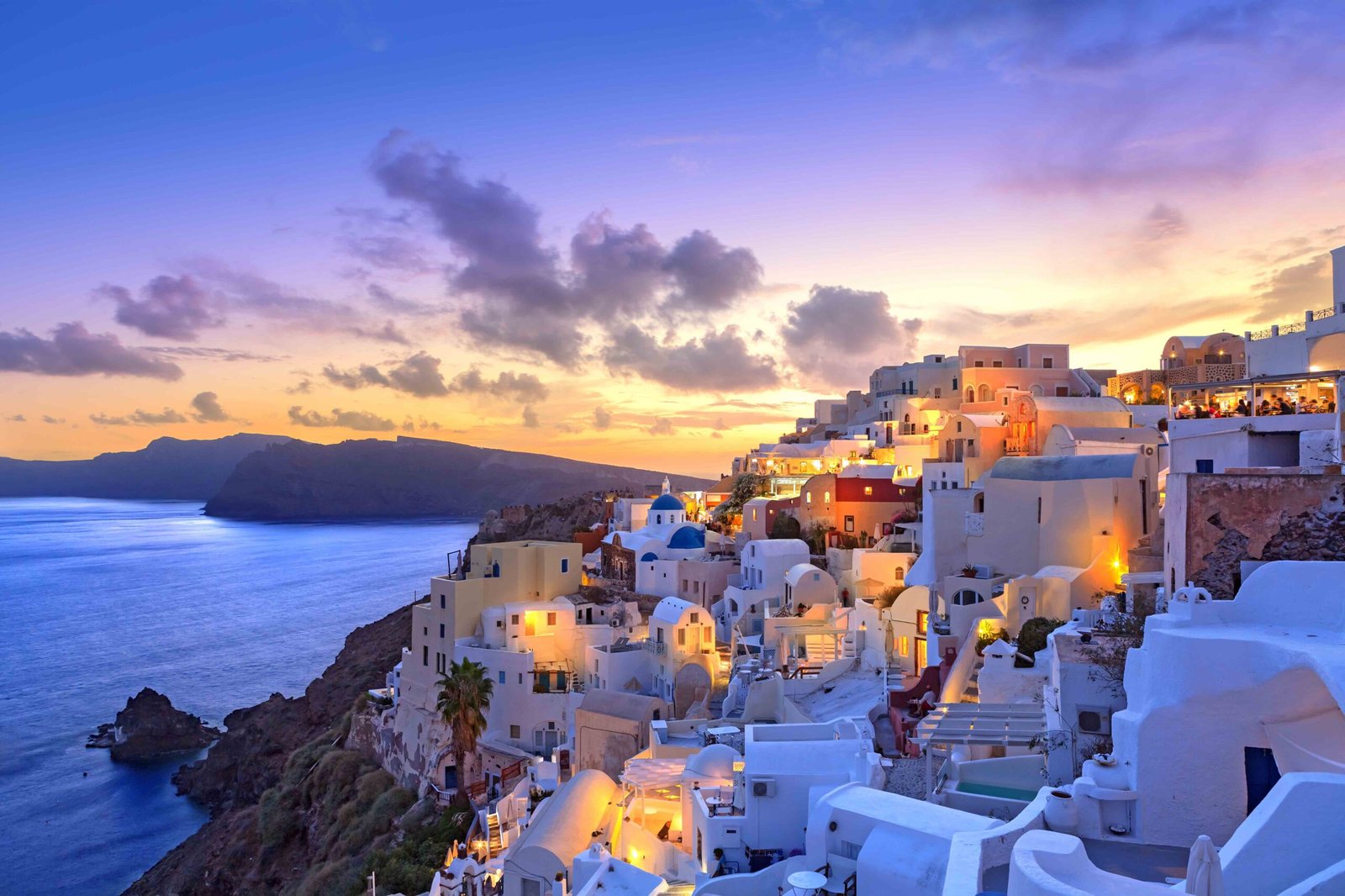
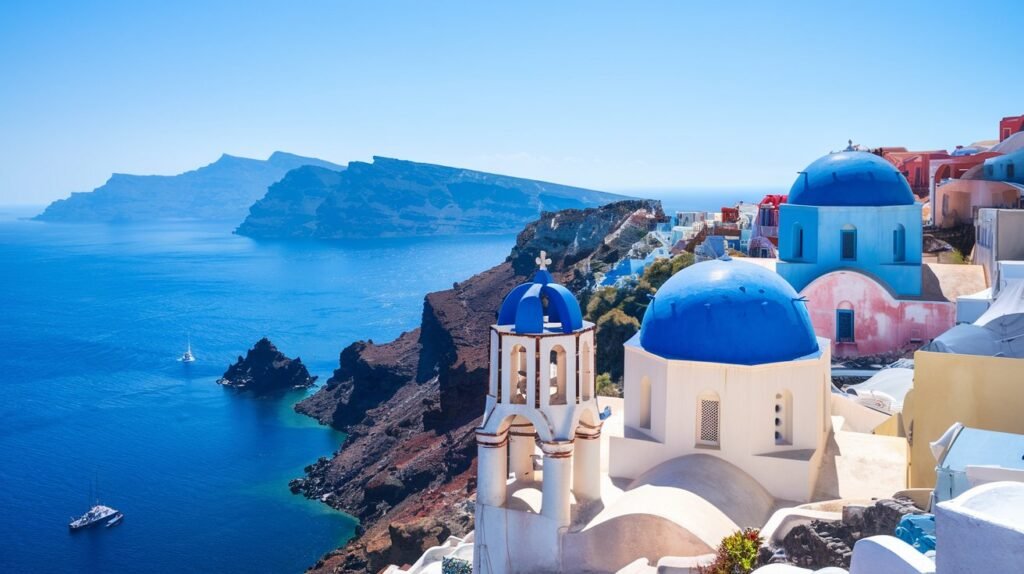
Santorini stands as one of Greece’s most breathtaking destinations, where whitewashed buildings cascade down volcanic cliffs overlooking the impossibly blue Aegean Sea. This crescent-shaped island in the Cyclades archipelago captivates millions of visitors annually with its stunning sunsets, unique beaches, and rich volcanic history.
However, Santorini’s beauty comes with geological realities that travelers should understand. As an active volcanic island, Santorini experiences periodic earthquakes that raise questions about safety and travel planning. Recent seismic activity in 2024-2025 has prompted many travelers to seek updated information before booking their dream Greek vacation.
This comprehensive guide covers everything you need to know about Santorini, Greece—from current earthquake news and volcano safety to the best hotels in Oia, travel routes from Athens, stunning beaches, top activities, and practical travel tips. Whether you’re planning your first visit or returning to this magical island, you’ll find valuable insights to make your Santorini experience unforgettable and safe.
Understanding Santorini, Greece: Island Geography and History
Location and Formation
Santorini, officially known as Thira, sits approximately 120 miles southeast of mainland Greece in the southern Aegean Sea. The island’s distinctive crescent shape results from one of history’s most catastrophic volcanic eruptions around 1600 BCE, which created the dramatic caldera that defines Santorini’s landscape today.
Key Geographic Facts:
- Total Area: Approximately 28 square miles (73 square kilometers)
- Population: Around 15,500 permanent residents
- Highest Point: Profitis Ilias at 1,857 feet (566 meters)
- Main Towns: Fira (capital), Oia, Imerovigli, Akrotiri, Kamari
- Climate: Mediterranean with hot, dry summers and mild winters
The Volcanic Legacy
Santorini is part of the Hellenic Volcanic Arc, making it one of the most geologically active regions in the Mediterranean. The island’s volcanic nature created its most iconic features—the multicolored beaches, dramatic cliffs, and the spectacular caldera that attracts photographers worldwide.
The volcano remains active, with the most recent eruption occurring in 1950. Today, volcanic monitoring systems track activity continuously, providing early warning systems for residents and visitors.
Santorini Earthquakes 2025: Current Status and Safety Information
Recent Seismic Activity
Santorini experiences regular minor earthquakes due to its position on the Hellenic Volcanic Arc. Most tremors measure below 4.0 on the Richter scale and cause no damage or safety concerns for residents or tourists.
2024-2025 Earthquake Activity:
Throughout 2024 and early 2025, Santorini recorded several small earthquake swarms—clusters of minor tremors occurring over short periods. According to the U.S. Geological Survey (USGS) and Greek seismological institutes, these events are typical for volcanic regions and don’t indicate imminent eruption risk.
Recent Notable Events:
- December 2024: A Series of 3.0-3.5 magnitude quakes was felt by residents
- January 2025: Minor swarm activity monitored by Greek authorities
- No damage reported from any 2024-2025 seismic events
- Tourism operations continued normally throughout all activities
Safety and Monitoring Systems
Greece maintains a sophisticated earthquake monitoring infrastructure throughout the Cyclades:
Early Warning Systems: Seismographs detect tremors and alert authorities within seconds
Building Codes: Strict construction standards ensure earthquake resistance for hotels and structures
Emergency Protocols: Established evacuation plans and communication systems
Continuous Monitoring: Scientists track volcanic and seismic activity 24/7
According to the National Observatory of Athens Institute of Geodynamics, current volcanic activity levels remain normal with no elevated risk indicators.
Should Earthquakes Affect Travel Plans?
For travelers wondering about safety, the answer is reassuring: Santorini earthquakes pose minimal risk to tourists. The island has welcomed millions of visitors safely despite its active geology.
Travel Safety Considerations:
✓ Hotels and buildings meet strict earthquake safety standards
✓ Minor tremors are common but rarely felt by visitors
✓ No travel advisories exist for Santorini from major governments
✓ Emergency services are well-prepared and responsive
✓ Insurance typically covers earthquake-related disruptions
Travelers should stay informed through official sources and follow any guidance from local authorities, but earthquakes shouldn’t deter visits to this spectacular destination.
Santorini Volcano: Understanding the Caldera
The Minoan Eruption
The massive volcanic eruption around 1600 BCE ranks among history’s largest, profoundly affecting ancient civilizations. This catastrophic event:
- Created the current caldera (volcanic crater) filled by the sea
- Generated tsunamis affecting the entire Mediterranean
- Possibly contributed to the decline of Minoan civilization
- Inspired theories about the Atlantis legend
Current Volcanic Status
Today’s Santorini volcano consists of several parts:
Nea Kameni: The dark volcanic island in the caldera center, formed by eruptions between 1570-1950
Palea Kameni: Older volcanic island with hot springs
Santorini Island: The main crescent-shaped land where visitors stay
Thirasia: A Smaller inhabited island opposite Santorini
Volcano Tours and Activities
Visiting the volcanic islands represents one of Santorini’s most popular activities:
Boat Tours: Sail across the caldera to volcanic islands
Hiking Opportunities: Walk on solidified lava fields on Nea Kameni
Hot Springs: Swim in warm volcanic waters near Palea Kameni
Sunset Cruises: Combine volcano visits with stunning sunset views
These tours provide fascinating insights into the geological forces that shaped this unique destination.
Getting to Santorini: Athens to Santorini Travel Options
Flying to Santorini
Santorini Airport (JTR): Located near Kamari, approximately 6 km from Fira
Flight Options:
From Athens: Multiple daily flights (45-minute duration)
- Olympic Air, Aegean Airlines, Sky Express
- Peak season: €80-200 one-way
- Off-season: €50-120 one-way
International Flights: Direct connections from major European cities during the summer
- London, Paris, Rome, Amsterdam, Munich
- Typically seasonal (April-October)
Booking Tips:
- Book 2-3 months ahead for summer travel
- Morning flights offer clearer views of the caldera
- Airport transfers to hotels take 15-30 minutes
Ferry from Athens to Santorini
Departure Ports: Piraeus (main) or Rafina
Ferry Types:
High-Speed Ferries: 5-6 hours, more expensive, comfortable seating
Conventional Ferries: 7-9 hours, budget-friendly, overnight options available
Approximate Costs:
- Economy seats: €35-60
- Business class: €70-100
- Cabins (overnight): €90-150
Booking Recommendations:
- Reserve tickets during the summer months
- Check weather forecasts (winter seas can be rough)
- Overnight ferries save accommodation costs
- Greek ferry booking websites provide schedules
Which Transportation Option Is Best?
Choose Flying If:
- Time is limited
- Traveling with small children
- Prone to seasickness
- Visiting during the shoulder seasons
Choose Ferry If:
- Budget-conscious
- Enjoy sea travel
- Want to bring vehicles
- Have flexible schedules
Many travelers fly to Santorini and return by ferry (or vice versa) to experience both journeys.
Best Santorini Hotels: Where to Stay in Paradise
Luxury Hotels in Oia Santorini
Oia’s cliffside location makes it Santorini’s most prestigious area, famous for sunset views and infinity pools.
Top Luxury Options:
Canaves Oia Epitome: Ultra-luxury with private pools, Michelin-star dining, spa services (€800-2,000/night)
Katikies Hotel: Iconic whitewashed suites, exceptional service, stunning caldera views (€600-1,500/night)
Mystique Santorini: Adults-only boutique property, cave suites, gourmet restaurant (€500-1,200/night)
Andronis Luxury Suites: Intimate boutique hotel, personalized service, spectacular sunset views (€400-1,000/night)
Mid-Range Santorini Greece Hotels
Fira and Firostefani:
Cosmopolitan Suites: Excellent value, caldera views, friendly service (€200-400/night)
Athina Luxury Suites: Beautiful design, great location, included breakfast (€180-350/night)
Mill Houses Elegant Suites: Traditional architecture, pools, convenient location (€150-300/night)
Budget-Friendly Accommodations
Kamari and Perissa (Beach Areas):
Santorini Camping: Basic but clean, beachfront location, social atmosphere (€30-60/night)
Blue Sea Hotel: Simple rooms, near beach, affordable option (€60-120/night)
Roula Villa: Family-run, traditional hospitality, good value (€50-100/night)
Booking Tips for Santorini Hotels
Book 4-6 months ahead for summer peak season
Shoulder seasons (April-May, September-October) offer better rates
Caldera-view rooms cost significantly more than village-view rooms
Many hotels offer free airport/port transfers
Imerovigli provides caldera views with fewer crowds than Oia
Things to Do in Santorini: Activities and Attractions
Must-See Attractions
Watch the Oia Sunset: World-famous sunset viewing from castle ruins or waterfront tavernas
Explore Akrotiri Archaeological Site: Remarkably preserved Minoan settlement buried by volcanic ash
Visit Ancient Thira: Hilltop ruins offering history and panoramic views
Wine Tasting Tours: Sample unique volcanic wines at traditional wineries
Caldera Cruise: Sail around the volcanic islands with swimming stops
Unique Santorini Experiences
Hiking the Fira to Oia Trail: 10km clifftop walk with spectacular caldera views (2-4 hours)
Donkey Rides: Traditional transport from the old port to Fira (controversial due to animal welfare concerns)
Cooking Classes: Learn to prepare traditional Greek dishes with local chefs
Scuba Diving: Explore volcanic underwater landscapes and marine life
Photography Tours: Capture Santorini’s iconic blue domes and whitewashed architecture
Cultural Experiences
Visit Local Wineries: Santo Wines, Venetsanos, Estate Argyros offer tours and tastings
Explore Traditional Villages: Pyrgos, Megalochori, and Emporio showcase authentic island life
Museum Visits: Museum of Prehistoric Thera, Maritime Museum in Oia
Attend Local Festivals: Religious celebrations, cultural events (check seasonal calendars)
Santorini Beaches: Unique Volcanic Shores
Red Beach (Kokkini Paralia)
Located near Akrotiri, this dramatic beach features striking red and black volcanic cliffs, creating a surreal landscape. The unique coloring comes from iron-rich volcanic rock.
Characteristics:
- Stunning photographic opportunities
- Small pebbles and coarse sand
- Limited facilities
- Accessible by short hike or boat
- It can get crowded in summer
Perissa and Perivolos Beaches
These connected black sand beaches on Santorini’s southeastern coast offer the island’s longest stretches of beach, complete with full amenities.
Features:
- Black volcanic sand (gets hot bring sandals!)
- Numerous beach bars and restaurants
- Water sports activities
- Sunbed and umbrella rentals
- Family-friendly with shallow waters
Kamari Beach
Another popular black sand beach with an organized beachfront promenade.
Highlights:
- Wide selection of tavernas and cafes
- Water sports center
- Nearby archaeological site (Ancient Thira)
- Good public transport connections
- Lively nightlife options
White Beach (Aspri Paralia)
Accessible only by boat from Red Beach, this secluded spot features white volcanic cliffs and pebbles.
Details:
- Most secluded of Santorini’s beaches
- Crystal-clear waters ideal for snorkeling
- No facilities (bring supplies)
- A boat taxi is required for access
- Perfect for escaping crowds
Beach Safety Tips
Black sand beaches become extremely hot wear water shoes
Limited shade on most beaches bring umbrellas or rent sunbeds
Rocky entries at some beaches water shoes recommended
Strong sun exposure apply sunscreen frequently
Check weather conditions before boat-access beaches
Practical Travel Tips for Santorini, Greece
Best Time to Visit
Peak Season (July-August):
- Warmest weather, most crowds
- Highest prices for hotels and flights
- All businesses are fully operational
- Bookings essential
Shoulder Season (April-May, September-October):
- Pleasant weather, fewer crowds
- Better value for accommodations
- Most attractions are still open
- Ideal for photography and exploring
Off-Season (November-March):
- Lowest prices, few tourists
- Many hotels and restaurants closed
- Cooler weather, possible rain
- Peaceful but limited options
Getting Around Santorini
Rental Cars/ATVs: Most flexible option, required for exploring remote areas
Local Buses: Affordable, connecting major towns (€1.80-2.50 per trip)
Taxis: Available but limited, expensive during peak season
Hotel Transfers: Many hotels provide complimentary airport/port transport
Walking: Feasible within towns, but distances between villages require transport
Money and Costs
Currency: Euro (€)
Average Daily Budget:
- Budget: €60-100 (hostels, local tavernas, buses)
- Mid-range: €150-300 (decent hotels, mix of dining, some tours)
- Luxury: €400+ (premium hotels, fine dining, private tours)
Payment: Credit cards are widely accepted; carry cash for small purchases
Essential Packing List
☑ Comfortable walking shoes (cobblestone streets)
☑ Water shoes for beaches
☑ High-SPF sunscreen and hat
☑ Light layers for evening breezes
☑ Camera with extra batteries
☑ Adapters for European outlets (Type C/F)
☑ Modest clothing for monastery visits
Safety and Health Considerations
General Safety
Santorini is remarkably safe for tourists, with low crime rates and friendly locals. Standard travel precautions apply:
- Watch belongings in crowded areas
- Be cautious on cliff-edge paths (especially after drinking)
- Stay hydrated in the summer heat
- Follow lifeguard warnings at beaches
Medical Facilities
Hospital: General Hospital of Santorini in Fira provides emergency services
Pharmacies: Available in main towns for minor ailments
Travel Insurance: Highly recommended for medical coverage and trip disruptions
COVID-19 and Health Protocols
Check current Greek government requirements before traveling, as regulations may change. The Greek Ministry of Health provides official updates.
Conclusion: Your Santorini Adventure Awaits
Santorini, Greece, remains one of the world’s most captivating destinations, where dramatic volcanic landscapes meet pristine Cycladic architecture and legendary hospitality. While the island’s seismic activity generates occasional headlines, sophisticated monitoring systems and strict building standards ensure visitor safety remains uncompromised.
From the iconic sunset views in Oia to the unique volcanic beaches, ancient archaeological sites, and world-class wineries, Santorini offers experiences that create lifelong memories. Whether you’re planning a romantic getaway, family vacation, or solo adventure, this magical island delivers beauty and wonder at every turn.
The journey from Athens to Santorini whether by quick flight or scenic ferry marks the beginning of an unforgettable Greek island experience. With proper planning, appropriate accommodation selection, and awareness of the best times to visit, your Santorini trip will exceed expectations.
Recent earthquake activity shouldn’t deter your travel plans. Millions visit Santorini safely each year, and the island’s infrastructure handles its geological realities expertly. Focus instead on the extraordinary experiences waiting: swimming in volcanic hot springs, hiking caldera-edge trails, savoring fresh seafood at cliffside tavernas, and witnessing sunsets that have inspired artists for centuries.
Related Stories: Aurö: Unraveling the Mystery Behind an Ancient Legend
Daskusza Exploration: Uncover Hidden Wonders Today