INTRODUCTION:
In the world of modern education tools that make learning engaging and fun are in high demand. One such tool that has gained significant popularity among teachers and students alike is Gimkit. This innovative platform takes traditional quiz-based learning and transforms it into a dynamic interactive experience. Whether you’re a teacher looking for ways to enhance your lessons or a student eager for an engaging learning environment, Gimkit offers something for everyone.
In this article, we’ll explore Gimkit in-depth, discussing its features, how it works, and how it can be effectively used in both classroom and homework settings. By the end of this piece, you’ll understand why Gimkit is a valuable asset in modern education.Lets go started!
What is Gimkit and How Does It Work?
Gimkit is an educational game designed to make quizzes more engaging and interactive. Created by a former student, the platform focuses on gamifying the learning process to help students retain information in a fun, dynamic environment. The idea behind Gimkit is simple: use the excitement of gaming to boost learning.
The platform works through a combination of real-time quizzes and student-paced assignments. Teachers can create quiz kits, assign them to students, and track their progress in real-time through an intuitive dashboard. The quizzes are structured to ensure that students don’t just memorize answers but truly understand the material. Students can play individually or collaborate in groups, making it a versatile tool for different teaching styles.
Features of Gimkit
The most popular feature of Gimkit is its integration of game mechanics into quizzes. As students answer questions correctly, they earn in-game credits that can be used for rewards and power-ups, which keeps them motivated. Additionally, Gimkit has recently added a range of new features, including custom avatars, new game modes, and a marketplace for props and cosmetics.
Another standout feature is KitCollab, where students can help build the quiz questions before the game starts. This fosters collaboration and ensures that the quiz content is relevant to the students’ learning needs. Teachers can import quiz kits from platforms like Quizlet or create custom kits from scratch, giving them complete control over the content.
How Can Teachers Use Gimkit in the Classroom?
Teachers can leverage Gimkit in various ways to make their classes more interactive and engaging. Here’s how:
Live Quiz Games
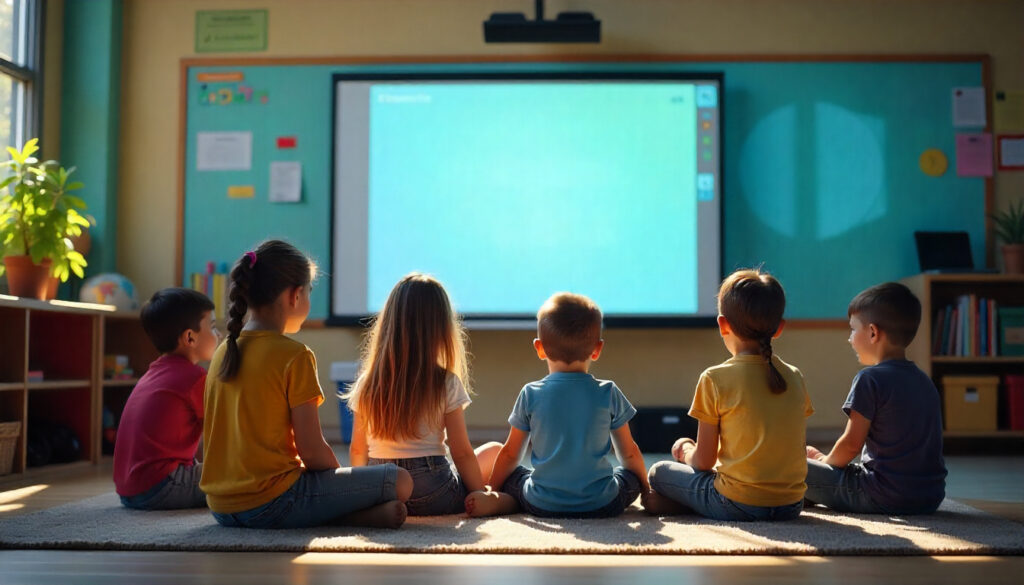
The most common use of Gimkit in classrooms is the live quiz game. Teachers can create a quiz and invite students to join via a shared link or code. The quiz is then projected on the screen, and students answer questions in real-time, either individually or in teams. This live format encourages friendly competition and makes learning feel less like a test and more like a game. Plus, teachers can track the progress of students on the fly, adjusting the game as necessary.
Homework and Assignments
Gimkit is not just for in-class use; it also works great for homework and assignments. Teachers can create quizzes that students complete at their own pace. These assignments are automatically graded, so teachers can focus on providing feedback instead of spending time grading. This flexibility allows students to learn at their own speed, while still giving teachers insights into their performance.
Formative Assessments
Teachers can use Gimkit as a tool for formative assessments. Before diving into a new topic, a teacher can administer a pre-test to gauge how much students already know. After the lesson, they can administer another Gimkit quiz to assess learning progress. This provides valuable data that can help teachers adjust their teaching methods and focus on areas that need improvement.
Benefits of Gimkit for Students

For students, Gimkit offers a variety of benefits beyond traditional learning methods.
Gamified Learning
Students are often more motivated when learning feels like a game, and Gimkit taps into that psychology. As they progress through quizzes, they earn credits and unlock rewards, which makes the learning process feel more like a game than a chore. This gamification keeps students engaged and encourages them to return to the platform for more practice.
Student Collaboration
With KitCollab, students can collaborate to create quiz questions, giving them a sense of ownership in their learning. Working together on these quizzes fosters teamwork and problem-solving skills. It also allows students to learn from one another as they discuss and debate the answers to questions.
Personalized Learning
Gimkit allows students to work at their own pace, which is especially beneficial for students who may need extra time to grasp certain concepts. By completing assignments at their own speed, students can focus on areas where they need more practice, making learning more personalized and effective.
What’s New in Gimkit?
Gimkit is constantly evolving to better serve the needs of teachers and students. The developers are always listening to feedback and rolling out new features based on user suggestions. Here’s a look at some of the recent updates to the platform:
New Game Modes
Recently, Gimkit introduced several new game modes, including Humans vs. Zombies, The Floor is Lava, and Trust No One. These modes add variety to the quizzes and allow teachers to choose the one that best fits their teaching style. Each mode is designed to enhance student engagement and foster healthy competition.
Enhanced Visuals and Features
In addition to new game modes, Gimkit now includes a Pixelator feature that helps create visual representations of quiz answers. The Character Dialogue Box feature is another exciting addition, which is perfect for story-based games. These new features make the quizzes even more immersive and fun for students.
More Props and Customization
With over 150 new props, terrains, and maps, Gimkit now offers more options for customization. Teachers can create unique quiz experiences that align with their lesson plans and add an extra layer of fun. Students can also personalize their experience with new cosmetics, including avatars and power-ups.
Gimkit Pricing: Is It Worth the Investment?
Gimkit offers a free version with some limitations, including a maximum of five students per game. However, for teachers who want to access all the features, the Gimkit Pro subscription is available for $14.99 per month or $59.98 annually. This paid version removes the student limit and allows teachers to create assignments, upload images and audio, and use all the game modes.
For schools or districts, Gimkit offers a department or school-wide pricing plan. The cost for 20 teachers is $650 per year, while the full school plan is $1,000 annually. Considering the numerous features and benefits, many teachers find that the investment is well worth it.
Future of Gimkit: Expansion of Gamified Learning

As Gimkit continues to grow, one of its most exciting areas of development is the further expansion of its gamified learning approach. The future of Gimkit lies in deepening its game-like features that will take learning experiences to new heights. Gamification has proven to be an effective learning tool, and Gimkit is building on this success by adding more engaging game mechanics. New features such as enhanced rewards systems, immersive game worlds, and increased interactivity will keep students motivated while learning.
Teachers can expect new challenges, missions, and level-ups integrated into their lessons, encouraging both competition and collaboration among students. By making the educational experience even more game-centric, Gimkit is poised to capture the attention of students, making it a tool they actually want to use. As the platform grows, more sophisticated game types will emerge, allowing students to level up in their learning journeys, much like they do in their favorite video games. With Gimkit‘s focus on gamification, students will be able to engage in complex problem-solving and critical thinking while having fun.
Integration with Other Learning Platforms
Another significant direction for the future of Gimkit is its potential integration with other popular learning platforms, such as Google Classroom and Microsoft Teams. Currently, Gimkit already allows for easy roster importing and integrates smoothly with various tools, but there’s room for even more collaboration with other systems. In the coming years, we could see Gimkit further streamline integrations with other ed-tech solutions, allowing teachers to seamlessly sync their classroom data and assignments across multiple platforms. This would make the teacher’s experience much easier and ensure that students have all the resources they need in one place.
Moreover, with integration with Learning Management Systems (LMS), such as Canvas, Schoology, and Blackboard, Gimkit could automate grading and track progress without requiring teachers to juggle multiple platforms. These improvements will make Gimkit even more valuable as an all-in-one educational tool, making it easier for both teachers and students to navigate and track learning outcomes efficiently.
Greater Personalization for Students
The future of Gimkit will likely see a greater focus on personalization, catering to the individual learning needs of students. The platform is already designed to be flexible, allowing students to work at their own pace, but Gimkit could take this even further by introducing adaptive learning technologies. These systems would adjust the difficulty of quizzes or tasks in real-time based on the student’s performance, ensuring that each learner is continually challenged but not overwhelmed.
Such personalized learning experiences would be particularly beneficial for students with different learning styles or those who require additional support. Teachers would also benefit from this personalization, as they could identify which areas students are struggling with and provide targeted support. Additionally, Gimkit‘s use of rewards and in-game currency systems could be further expanded, allowing for more tailored incentives that keep each student motivated based on their unique preferences and learning goals.
Enhancing Data Analytics for Teachers
Data-driven insights will play a critical role in the future of Gimkit. As the platform evolves, we expect to see more sophisticated analytics tools that offer deeper insights into student progress, engagement, and areas of improvement. Teachers will have access to even more detailed reports that help them assess not only how well students performed in a quiz, but also how engaged they were throughout the game.
The future of Gimkit could include advanced tracking features such as heat maps, individual student performance breakdowns, and even predictive analytics that help teachers anticipate learning outcomes. This would allow educators to make informed decisions about their teaching methods and adjust their strategies in real-time. With these enhanced data tools, Gimkit will provide educators with all the information they need to improve student learning outcomes and create more dynamic and responsive lesson plans.
Expanded Global Reach for Gimkit
In the coming years, Gimkit plans to expand its global reach, making the platform available in more languages and accessible to a wider range of schools around the world. Currently, Gimkit is popular in North America and parts of Europe, but the platform has the potential to grow in regions where digital education tools are on the rise. With a focus on inclusivity, Gimkit will likely prioritize translations and localization efforts, ensuring that teachers and students from different countries can access its resources.
Furthermore, this expansion would allow Gimkit to gather feedback from a more diverse group of educators and students, allowing them to refine the platform even further. By embracing internationalization, Gimkit will become an even more valuable resource for schools across the globe, contributing to the worldwide movement towards gamified learning and engaging education technology.
We hope you enjoyed this article! What do you think about gimkit story? Let us know!
Conclusion: The Future is Bright for Gimkit
The future of Gimkit holds immense promise. With continued innovation in gamified learning, integration with other educational platforms, and a strong focus on personalization, Gimkit is set to remain a leader in the ed-tech space. Its ability to adapt to the needs of both students and teachers, combined with exciting new features and global expansion, positions Gimkit as an essential tool for modern education.
As the platform continues to evolve and grow, there’s no doubt that Gimkit will remain at the forefront of transforming how students learn and engage with educational content. For teachers, Gimkit offers a dynamic and effective tool that makes teaching more enjoyable and interactive. For students, Gimkit transforms learning into an exciting adventure, ensuring that education is not only informative but also fun. The future of Gimkit is undoubtedly bright, and it will continue to make waves in the world of digital learning for years to come.
Gimkit is expanding its creative capabilities to allow users to build more immersive and complex games. Recent updates have introduced features like custom shapes and improved device functionalities, enabling creators to design unique gameplay experiences. These tools are expected to evolve further, providing even more flexibility and options for game creation.
Frequently Asked Questions (FAQs)
1. How do I sign up for Gimkit?
Signing up for Gimkit is easy. Simply visit the Gimkit website and sign up using your email or Google account. If your school uses Google Classroom, you can integrate your roster with just a few clicks.
2. Can students use Gimkit on their smartphones?
Yes, Gimkit is compatible with smartphones, tablets, and laptops. Students can play games on any device with internet access, making it perfect for in-class and remote learning environments.
3. How do I create a quiz on Gimkit?
Creating a quiz on Gimkit is straightforward. After signing up, you can create a new kit from scratch or import questions from Quizlet, CSV files, or Gimkit‘s gallery. You can also add images, audio, and customize your quiz for your students’ needs.