Introduction
In the ever-evolving world of interior design, innovation drives transformation. Among the materials making significant waves in contemporary spaces, Sodiceram stands out as a game-changing solution that combines beauty, functionality, and sustainability in ways traditional materials simply cannot match.
Whether you’re an architect planning commercial projects, an interior designer seeking cutting-edge solutions, or a homeowner dreaming of renovating your space, understanding Sodiceram’s unique properties and applications can open exciting possibilities for creating stunning, durable environments.
In Todays articles, we explores everything you need to know about Sodiceram from its development and key advantages to practical applications, maintenance requirements, and future innovations. By the end, you’ll understand why this remarkable material is rapidly becoming the preferred choice for modern interiors that need to perform as beautifully as they look. Lets get started!
What Is Sodiceram? Understanding This Innovative Material
Sodiceram represents a revolutionary advancement in interior surface materials, blending traditional ceramic craftsmanship with cutting-edge manufacturing technology. This innovative product emerged from the industry’s need for materials that could deliver exceptional durability without sacrificing aesthetic appeal.
Unlike conventional ceramics or standard surface materials, Sodiceram is engineered at the molecular level to provide superior performance characteristics. The material combines natural raw materials with advanced processing techniques, resulting in surfaces that resist common problems plaguing traditional options staining, scratching, heat damage, and water absorption.
Key Characteristics
| Characteristic | Description | Benefits |
|---|---|---|
| Hardness | Molecular-level engineering for abrasion resistance rivaling tempered glass or natural quartz. | Withstands daily wear in high-traffic areas without visible damage. |
| Low Porosity | Minimal water absorption (often <0.5%), preventing bacterial growth and stains. | Ideal for wet zones like kitchens and bathrooms; no sealing required. |
| Heat Resistance | Tolerates temperatures up to 1,000°C without cracking or discoloring. | Safe for countertops near stoves or industrial heat sources. |
| Aesthetic Versatility | Digital printing enables realistic mimics of marble, wood, or concrete in various finishes (matte, polished, textured). | Seamless large-format slabs reduce grout lines for modern, uniform looks. |
| Lightweight | 20-30% lighter than equivalent porcelain or stone slabs. | Easier installation, lower shipping costs, and reduced structural load. |
| Chemical Resistance | Impervious to acids, alkalis, and household cleaners. | Simplifies maintenance in commercial or lab settings. |
The History and Development of Sodiceram
Early Innovation and Commercial Applications
Sodiceram’s journey began in response to architects and designers seeking materials that could withstand the demanding conditions of commercial environments while maintaining visual appeal. Early development focused on creating surfaces for high-traffic areas like retail spaces, restaurants, and office buildings where traditional materials showed premature wear.
Initial formulations emerged from research into advanced ceramic technologies, with scientists experimenting with different mineral compositions and manufacturing processes. The goal was creating a material that combined the best properties of natural stone, porcelain, and engineered surfaces while eliminating their respective weaknesses.
Evolution and Residential Adoption
As manufacturing processes refined and economies of scale developed, Sodiceram became increasingly accessible for residential applications. Homeowners discovered they could achieve the luxury look of premium materials with significantly improved performance and easier maintenance.
This transition from exclusively commercial to widespread residential use marked a turning point, driving further innovation in colors, textures, and finishes. Manufacturers began collaborating closely with interior designers to develop options that aligned with contemporary aesthetic trends while maintaining the material’s core performance advantages.
Modern Advancements
Today’s Sodiceram represents years of continuous improvement and innovation. Modern manufacturing techniques allow for:
- Digital printing technology creating incredibly realistic stone and wood patterns
- Larger format tiles and slabs enabling seamless installations with minimal grout lines
- Enhanced eco-friendly production reducing environmental impact during manufacturing
- Improved surface treatments offering slip resistance, anti-microbial properties, and specialized finishes
According to data from the Environmental Protection Agency, modern ceramic manufacturing processes have reduced energy consumption by approximately 30% over the past two decades, with materials like Sodiceram leading these efficiency improvements.
Advantages of Using Sodiceram in Interior Design
Unmatched Durability and Longevity
Sodiceram’s exceptional hardness rating ensures surfaces maintain their appearance for decades, even in high-use areas. Unlike softer materials that show scratches, dents, or wear patterns over time, Sodiceram resists daily abuse while looking virtually unchanged years after installation.
Durability Benefits:
✓ Scratch resistance comparable to tempered glass
✓ Impact resistance preventing chips and cracks
✓ Color stability preventing fading or discoloration
✓ Chemical resistance to household cleaners and acids
✓ Moisture impermeability preventing water damage
Aesthetic Versatility and Design Freedom
Modern Sodiceram manufacturing allows virtually unlimited design possibilities. Advanced digital printing and texturing techniques recreate the appearance of natural materials like marble, granite, wood, and concrete with remarkable fidelity while eliminating the maintenance challenges and inconsistencies of natural materials.
Designers appreciate the ability to specify consistent color and pattern throughout large projects, something impossible with natural stone where every piece differs. This consistency proves particularly valuable in commercial spaces requiring uniform appearance across extensive installations.
Low Maintenance Requirements
Busy homeowners and facility managers love Sodiceram’s minimal maintenance demands. The material’s non-porous surface prevents staining from spills, eliminates sealing requirements common with natural stone, and resists bacterial growth that can affect more porous materials.
Daily cleaning requires only water and mild soap no specialized products or harsh chemicals necessary. This simplicity translates to lower long-term maintenance costs and easier upkeep for property owners.
Cost-Effectiveness Over Time
While premium Sodiceram products may carry higher initial costs than basic ceramic tile or laminate, the material delivers exceptional value when considering total lifecycle costs. The combination of durability, minimal maintenance, and longevity means installations can last decades without replacement, making Sodiceram economically superior to materials requiring frequent repair or replacement.
Lightweight Advantage for Installation
Compared to natural stone slabs or thick concrete surfaces, Sodiceram’s lighter weight simplifies installation, reduces structural load requirements, and lowers transportation costs. This advantage proves particularly valuable in renovation projects where weight considerations limit material options, or in upper-story installations where structural capacity constraints exist.
Practical Applications of Sodiceram Across Different Spaces
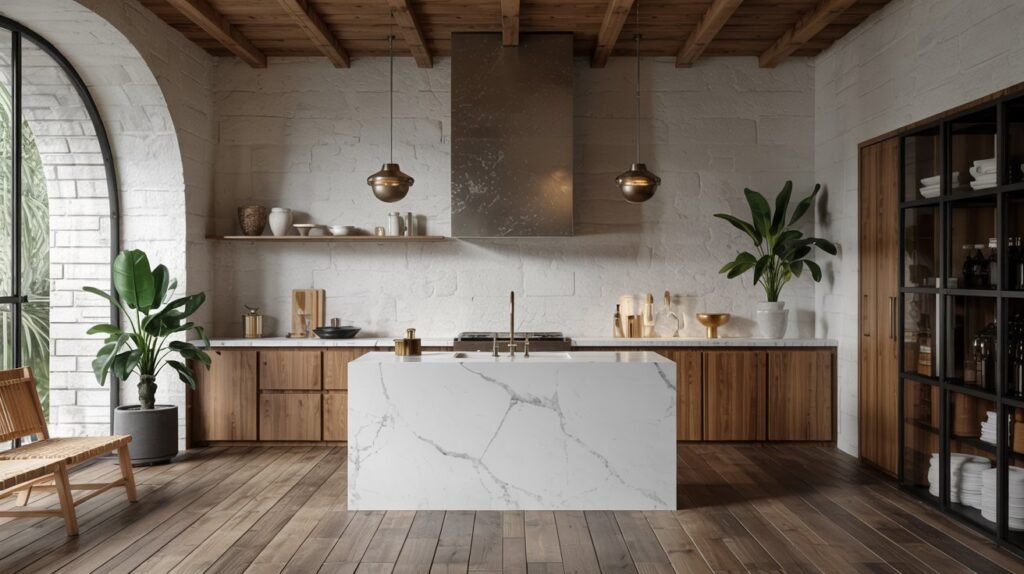
Kitchen Spaces
Kitchens demand materials that withstand heat, moisture, knife impacts, and frequent cleaning. Sodiceram excels in multiple kitchen applications:
Countertops: Heat-resistant surfaces handle hot pots without scorching, while non-porous composition resists staining from wine, coffee, and acidic foods.
Backsplashes: Easy-to-clean surfaces simplify post-cooking cleanup while providing stunning visual focal points.
Flooring: Durable, slip-resistant options withstand dropped utensils, spills, and heavy foot traffic without showing wear.
Bathroom Installations
Bathrooms present unique challenges with constant moisture exposure and cleaning chemical use. Sodiceram addresses these challenges effectively:
Shower and Tub Surrounds: Completely waterproof installations prevent moisture penetration that damages surrounding structures.
Vanity Tops: Non-porous surfaces resist water rings, toothpaste stains, and cosmetic spills while looking elegant.
Flooring: Slip-resistant finishes provide safety while maintaining sophisticated appearance.
Living Areas and Entryways
High-traffic residential spaces benefit from Sodiceram’s durability and aesthetic appeal:
Flooring: Scratch-resistant surfaces withstand furniture movement, pet claws, and foot traffic without visible damage.
Accent Walls: Stunning visual features that require no special maintenance beyond occasional wiping.
Fireplace Surrounds: Heat resistance makes Sodiceram perfect for areas near fireboxes where temperature fluctuations occur.
Commercial Environments
Businesses appreciate Sodiceram’s ability to maintain appearance despite intensive use:
Retail Spaces: Durable flooring withstands thousands of daily footsteps while maintaining showroom appearance.
Restaurants: Kitchen and dining areas benefit from heat resistance, stain resistance, and easy sanitization.
Healthcare Facilities: Anti-microbial properties and easy cleaning meet stringent hygiene requirements.
Hotels: Consistent appearance across numerous rooms simplifies maintenance and creates cohesive design schemes.
According to the U.S. Green Building Council, specifying durable materials like Sodiceram in commercial projects contributes to LEED certification points under materials and resources categories.
Sustainability and Environmental Benefits of Sodiceram
Eco-Friendly Manufacturing Processes
Modern Sodiceram production emphasizes environmental responsibility through:
Reduced Energy Consumption: Advanced kilns and manufacturing equipment minimize energy use compared to traditional ceramic production.
Water Conservation: Closed-loop water systems recycle and reuse water throughout manufacturing processes.
Waste Reduction: Manufacturing scraps and broken pieces are ground and incorporated into new products, virtually eliminating landfill waste.
Lower Emissions: Modern facilities employ pollution control technologies that dramatically reduce air emissions compared to older manufacturing methods.
Long Lifecycle Reduces Resource Consumption
Sodiceram’s exceptional durability means installations last 30-50 years or more with proper care significantly longer than vinyl flooring (10-20 years), laminate countertops (10-15 years), or carpet (5-15 years). This longevity reduces the frequency of replacement, conserving resources and minimizing construction waste over time.
Natural Raw Materials
Sodiceram production relies primarily on naturally abundant minerals rather than petroleum-based products used in many alternative materials. This natural composition makes the material inherently more sustainable than synthetic options.
Indoor Air Quality Benefits
Unlike some flooring and surface materials that off-gas volatile organic compounds (VOCs) that can affect indoor air quality, properly manufactured Sodiceram is inert and emits no harmful chemicals. This characteristic makes it an excellent choice for homes with sensitivity concerns or commercial spaces with strict air quality requirements.
Maintenance and Care: Keeping Sodiceram Beautiful
Daily Cleaning Routine
Maintaining Sodiceram’s beauty requires minimal effort:
For Floors:
- Sweep or vacuum regularly to remove loose dirt and debris
- Damp mop with warm water and pH-neutral cleaner
- Dry with clean towel if desired, though air drying works fine
For Countertops and Walls:
- Wipe with damp cloth or sponge
- Use mild dish soap for greasy residues
- Dry with soft cloth to prevent water spots
Addressing Stubborn Stains
While Sodiceram resists most staining, certain substances may require additional attention:
- For dried spills: Soak area with warm water for several minutes, then scrub gently with non-abrasive pad
- For grease or oil: Use degreasing dish soap or specialized stone cleaner
- For hard water deposits: White vinegar solution (1:1 with water) applied briefly, then rinsed thoroughly
What to Avoid
Protect your Sodiceram investment by avoiding:
Abrasive scrubbers or scouring powders that could dull the finish
Harsh acidic cleaners (unless specified for hard water removal)
Bleach-based products on colored Sodiceram (may cause discoloration)
Oil-based cleaners that can leave residue buildup
Long-Term Care Considerations
Grout Maintenance: While Sodiceram itself requires minimal maintenance, grout lines between tiles need periodic attention. Seal grout annually in wet areas, and clean with grout-specific products to prevent discoloration.
Surface Protection: Use trivets under hot pots (though Sodiceram handles heat well, extreme temperature changes could affect grout), cutting boards when chopping, and furniture pads under heavy objects.
Professional Cleaning: For large commercial installations or particularly challenging situations, periodic professional cleaning may restore original appearance and extend surface life.
Future Innovations and Emerging Possibilities
Smart Surface Integration
The future of Sodiceram may include embedded technology:
- Touch-sensitive surfaces that control lighting, temperature, or entertainment systems
- Antimicrobial coatings using silver ion technology for enhanced hygiene
- Self-cleaning surfaces inspired by nanotechnology research
- Color-changing properties responding to temperature or lighting conditions
Enhanced Sustainability
Ongoing research focuses on further improving environmental credentials:
- Carbon-neutral manufacturing through renewable energy integration
- Bio-based additives replacing some mineral components
- Recycling programs accepting old Sodiceram for incorporation into new products
- Localized production reducing transportation environmental impact
Customization and Personalization
Advancing digital printing technology enables increasingly personalized designs:
- Custom imagery printed directly onto surfaces
- Photorealistic reproductions of rare materials
- Unique textures created through advanced molding techniques
- Small-batch specialty colors for distinctive projects
Expanded Applications
Sodiceram technology may soon extend into:
- Furniture surfaces for tables, desks, and cabinetry
- Exterior cladding systems for weather-resistant facades
- Decorative panels for ceiling and wall treatments
- Acoustic panels combining sound absorption with aesthetic appeal
Conclusion: Transform Your Space with Sodiceram
Sodiceram represents more than just another interior material option it embodies the future of sustainable, beautiful, and practical surface solutions. This innovative material successfully bridges the gap between aesthetic desire and functional necessity, offering interiors that inspire while performing reliably for decades.
From its origins in commercial applications to current widespread residential adoption, Sodiceram has proven its value across countless installations worldwide.
The combination of exceptional durability, minimal maintenance requirements, environmental responsibility, and stunning aesthetic possibilities makes it an increasingly obvious choice for anyone seeking the best in modern interior materials.
Whether you’re planning a kitchen renovation, designing a commercial space, or simply exploring options for upgrading your home’s surfaces, Sodiceram deserves serious consideration. Its ability to deliver luxury appearance without luxury maintenance requirements, combined with genuine sustainability credentials, positions it perfectly for contemporary living.
As manufacturing techniques continue advancing and sustainability becomes ever more critical, Sodiceram’s prominence in interior design will only grow. Early adopters are already enjoying the benefits of this remarkable material perhaps it’s time for your space to join them.
Related Stories: Video&A: The Future of Video Content Creation and Audience Engagement
5StarsStocks.com 3D Printing Stocks: Smart Investment Guide