Let’s be real. Most people want to create less waste, but everyday life has a way of getting in the way. Between work, family, and everything else on your plate, complicated eco routines just don’t stick.
That’s why household waste reduction works best when it’s simple. Here at Eco 4 The World, we’ve spent time testing what actually makes a difference without turning your routine upside down. This guide walks you through practical ways to cut food waste, ditch plastic where it counts, and save money while you’re at it.
Ready? Let’s dive in.
What Is Household Waste Reduction and Why Should You Care?
Household waste reduction is about making small, conscious choices that keep less rubbish out of landfills. In practice, it can be as simple as saying no to plastic bags at the checkout or composting your veggie scraps instead of tossing them in the general waste bin.
These choices also add up fast. When waste breaks down in a landfill, it releases methane, a greenhouse gas that’s approximately 28 times more potent than carbon dioxide (and yes, that methane is doing real damage to our climate).
The average Australian sends over 500kg of waste to landfill each year. But even cutting that by 10% helps reduce pollution and protect the environment for future generations.
Easy Ways to Reduce Food Waste and Use Food Scraps
Australians throw away roughly 7.6 million tonnes of food each year. And believe it or not, most of that waste is avoidable with a few small changes to how you plan, store, and use what’s in your fridge.
Through our own trial and error, we’ve found that simply meal planning makes the most impact. When you check what’s already in the fridge before shopping, you avoid buying duplicates that end up in the bin. Storing fruit and vegetables properly helps too. Potatoes last longer in a cool, dark spot rather than the fridge, and leafy greens stay fresh when wrapped in a damp cloth.
As for food scraps like veggie peels and eggshells, composting is a great option. If you don’t have space for a compost bin, a small worm farm works just as well. Many local councils also offer food scraps collection, so it’s worth checking what’s available in your area.
Here’s a quick breakdown of how it affects the bigger picture:
How Buying Local Produce Helps Reduce Waste
Shopping at farmers’ markets or local grocers comes with a few hidden benefits. For starters, local produce travels shorter distances, which means less plastic packaging and fewer items spoiling before they reach your kitchen.
If you’ve ever wandered through a weekend market, you’ll notice most vendors sell loose fruit and veg (bonus: the produce actually tastes like something).
What’s more, seasonal food from local growers stays fresher for longer. And when your produce lasts, less of it ends up in the bin. It’s a simple swap that helps you save money while reducing waste at the same time.
Eco-Friendly Habits to Minimise Waste Around the Home
Ever noticed how quickly your bin fills up with single-use plastics? From cling wrap to shopping bags, these items get used once and then sit in a landfill for hundreds of years.
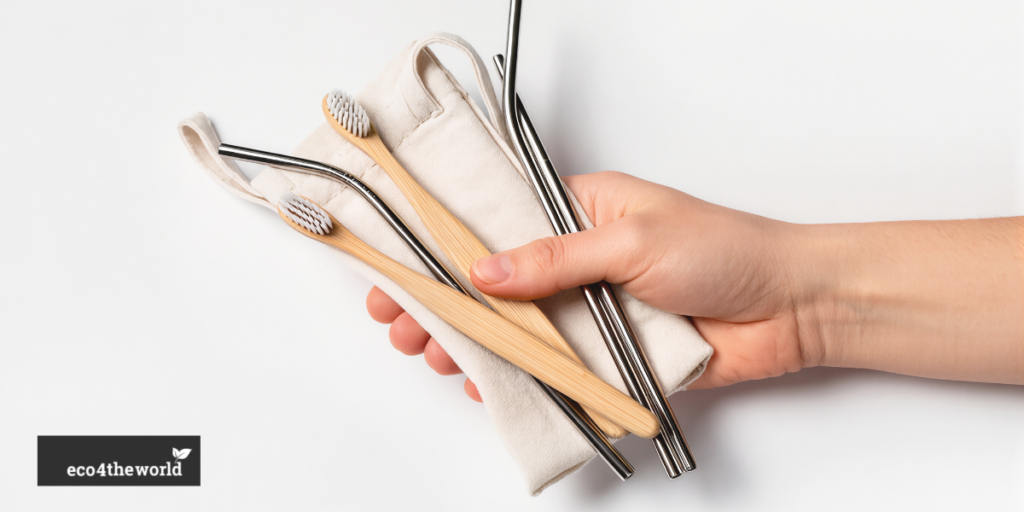
After testing a few options ourselves, we’ve found that swapping disposables for reusables is one of the easiest wins. The table below shows a few simple switches that cut down on plastic and paper waste.
| Single-Use Item | Reusable Swap |
| Plastic wrap | Beeswax wraps or silicone lids |
| Paper towels | Washable cloth towels |
| Plastic bags | Canvas or mesh produce bags |
| Disposable coffee cups | Keep a cup or a thermos |
| Bottled water | Refillable water bottle |
But the thing is, these swaps only work if you actually remember to use them properly. For instance:
- Keep your own reusable bags and containers somewhere visible, like near the front door or in your car.
- When shopping, look for products with minimal or recyclable packaging.
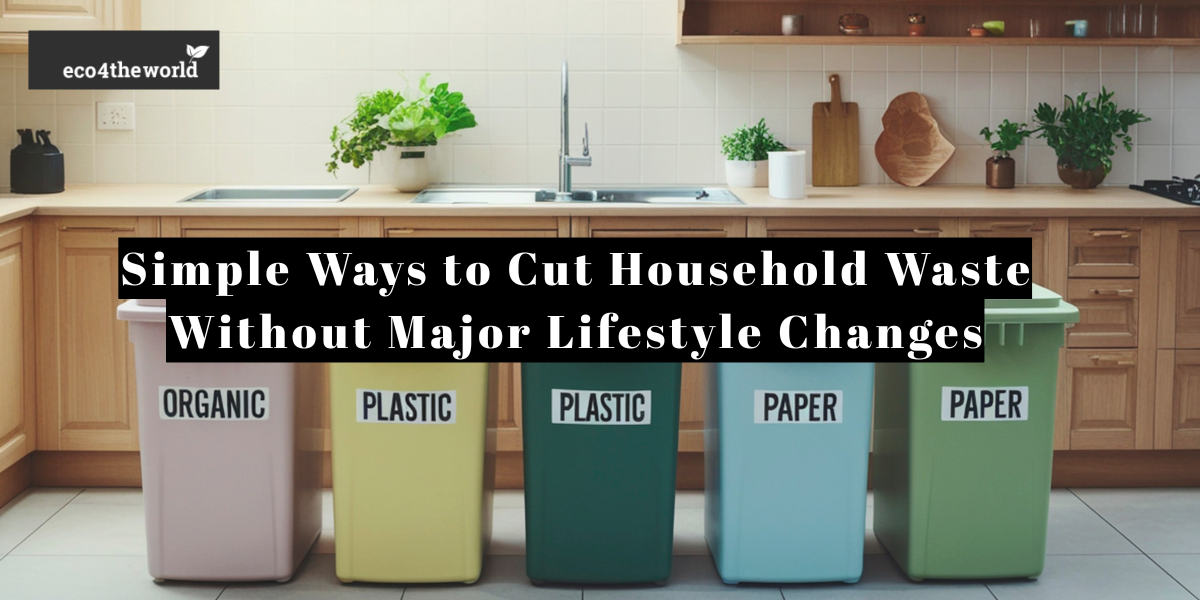
- And once you’re home, make sure plastics and paper go in the right recycling bin rather than general waste.
Ultimately, these simple habits make it easier to reduce waste day by day and turn eco-friendly choices into a natural part of everyday life.
Reduce Reuse: Rethinking Everyday Items
Most of us toss things without a second thought, but plenty of household items have a second life waiting.
Old glass jars, for example, work well for storing pantry staples, homemade sauces, or even loose change. And if you’ve got worn clothes lying around, they make great cleaning rags. Even mismatched socks can become dusting mitts.
For bigger items like furniture or clothing still in good condition, donating to your local community is a solid option. Op shops, buy-nothing groups, and council collection days give unwanted items a new home instead of sending them to landfill. This keeps usable materials in circulation and helps reduce the resources needed to create new products.
To be honest, not everything needs a second life. The goal isn’t to hoard, it’s simply to pause before you dispose of something. That small habit shift makes your home more sustainable, and a little creativity goes a long way.
Eco-Friendly Choices Beyond the Home: Energy Use and Public Transportation
Being environmentally friendly extends past your front door, and a few easy shifts make a noticeable difference:
- Switch off appliances at the wall instead of leaving them on standby. This alone can save energy and lower your gas and electricity costs.
- In winter, reduce heat loss by closing curtains at dusk and blocking draughts under doors. You’ll use less energy to stay warm.
- Walk, cycle, or catch public transportation when the car isn’t necessary. Fewer trips mean less fossil fuel burned and reduced air pollution.
- Combine errands into one trip to save fuel and cut emissions.
These changes also shrink your carbon footprint over time. And the best part is, they fit into everyday life without extra hassle. So you’ll protect the environment and save money along the way.
Your Waste-Free Journey Starts Today
You’ve now got a handful of practical ways to reduce waste without flipping your life upside down. Start with one or two changes and try them for a week. Once those habits stick, add another. That’s how lasting change happens, one small choice at a time.
Our planet doesn’t need a handful of people doing zero waste perfectly. It needs millions doing it imperfectly (yes, even you). So pick one tip from this guide and give it a go today!